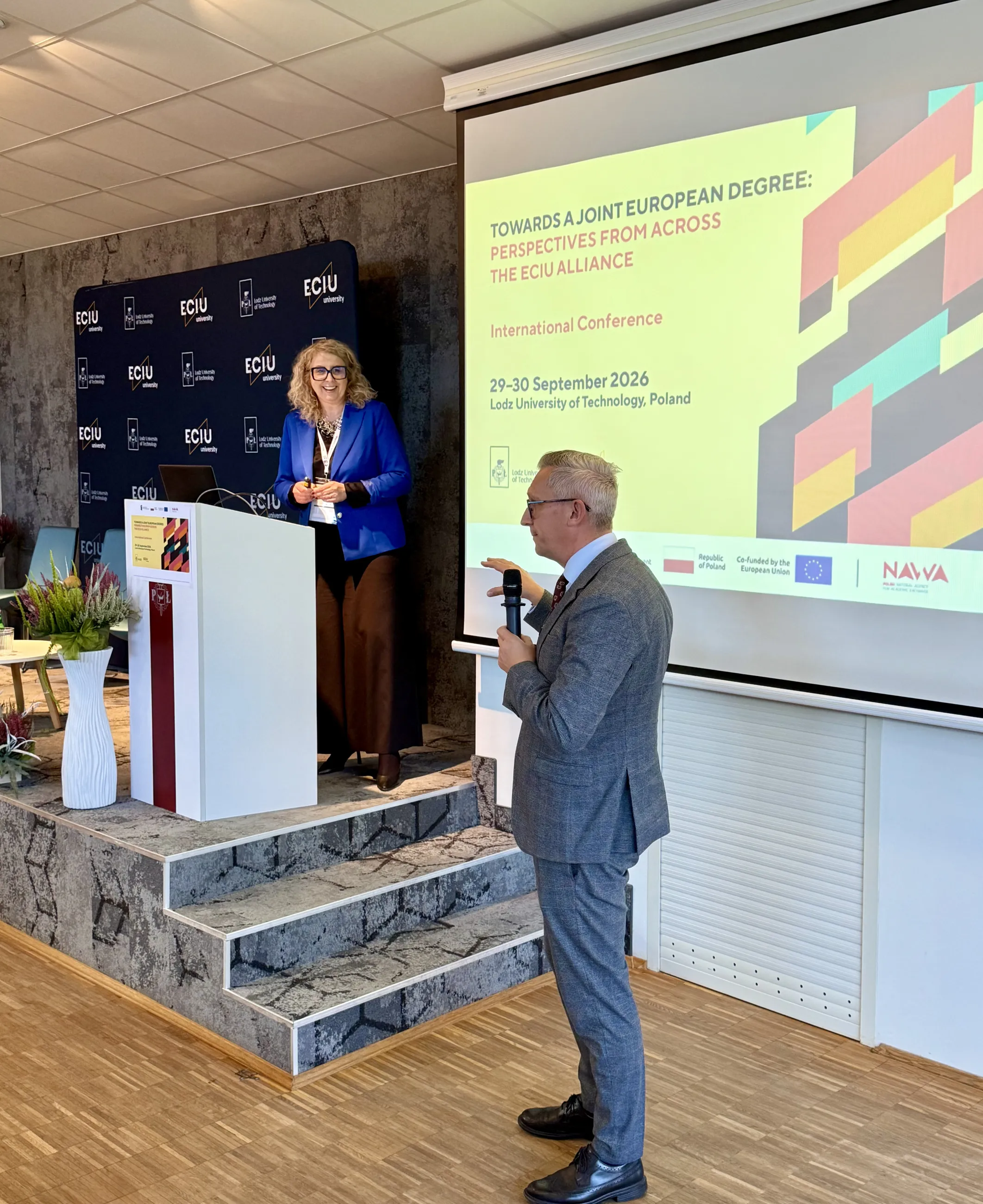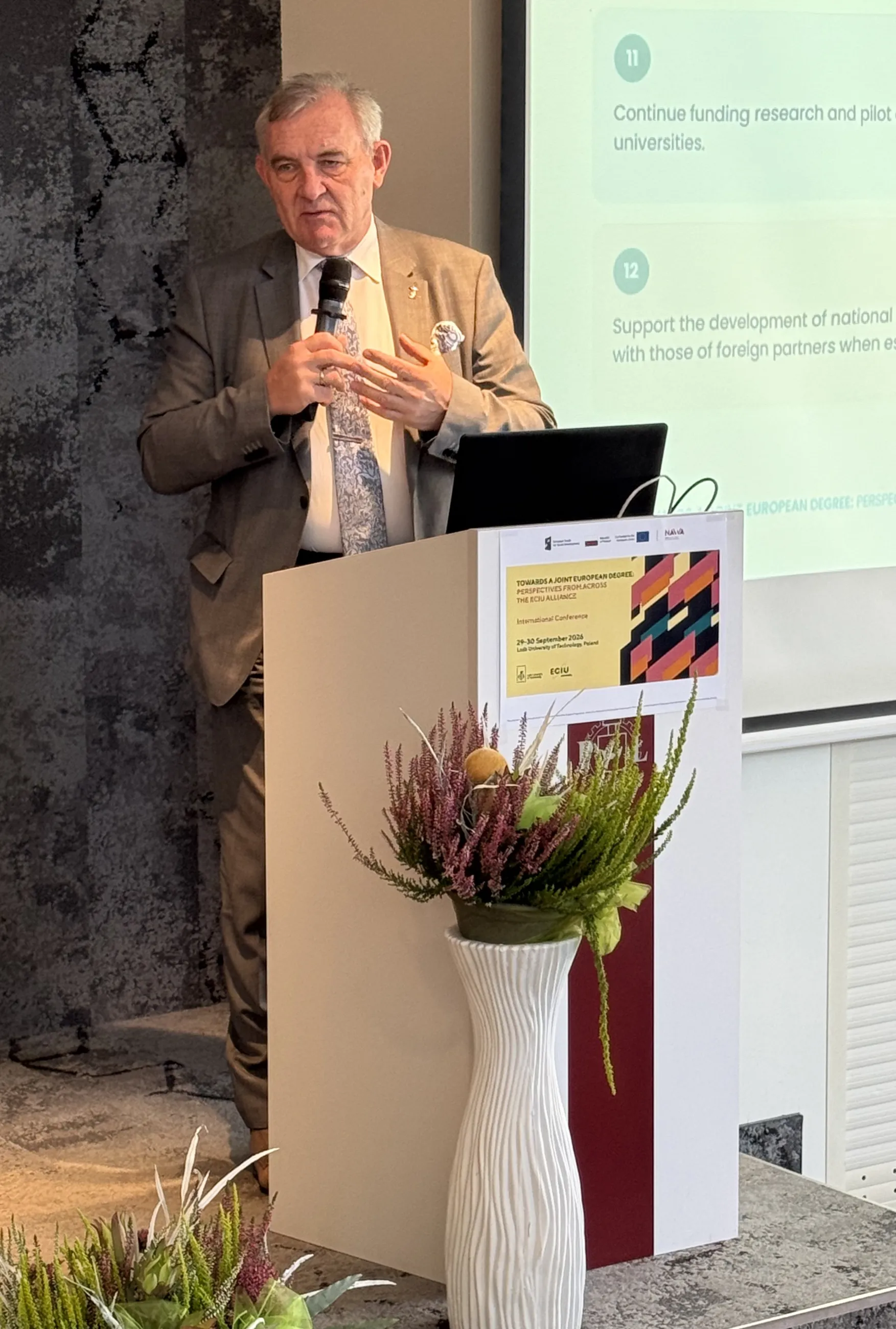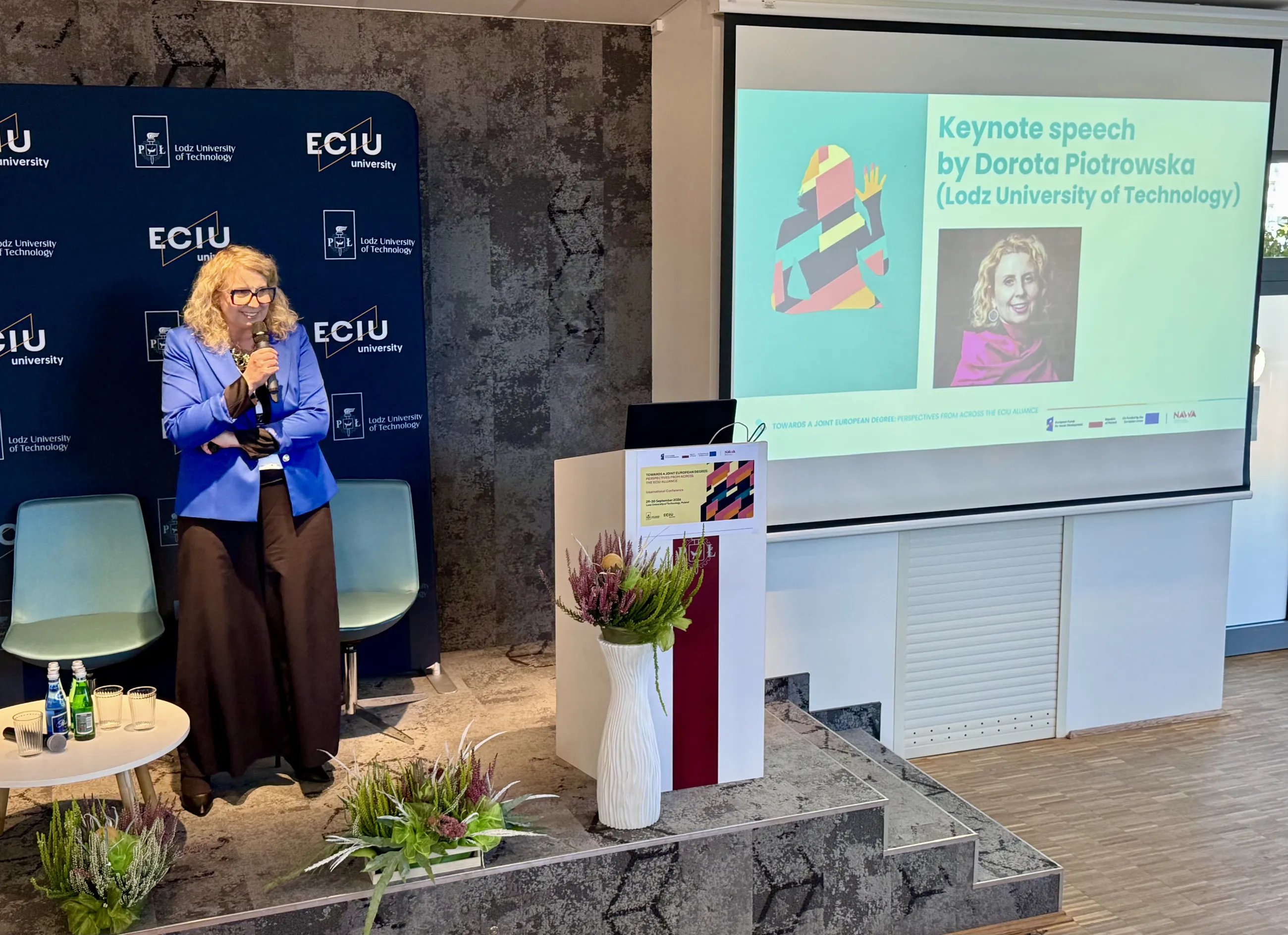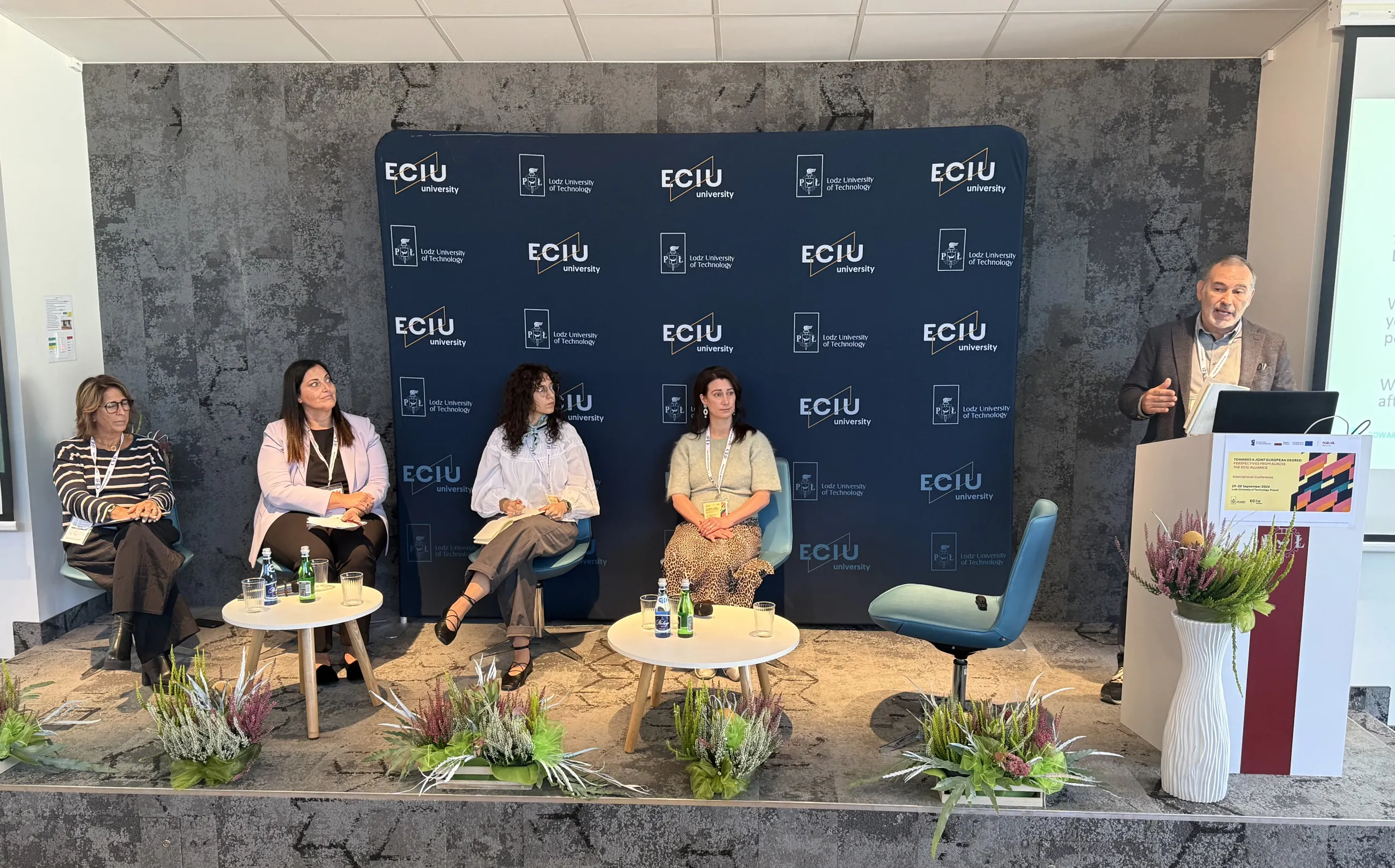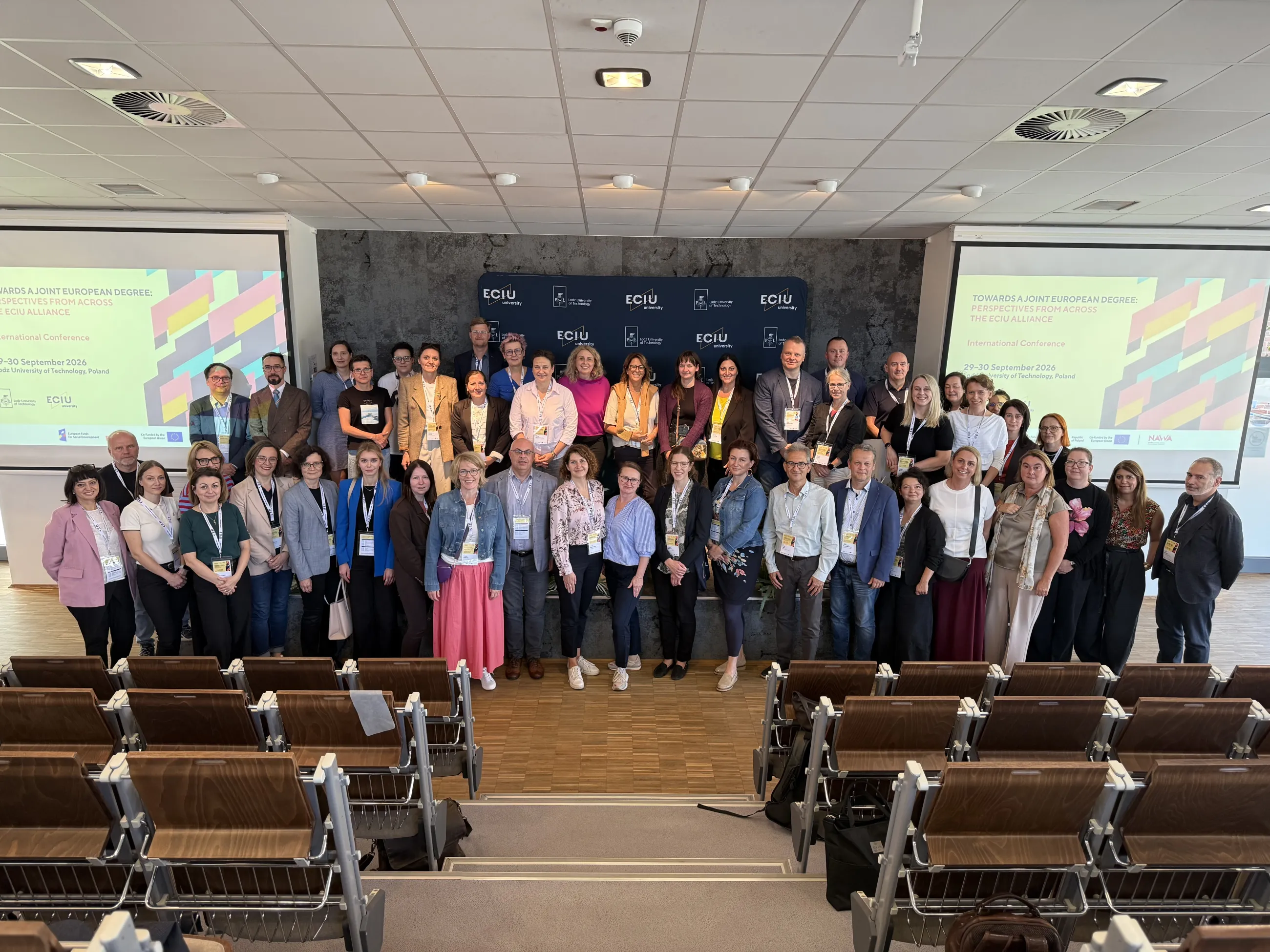
On the first day of the event, a team from Lodz University of Technology (TUL) presented the findings of a study on joint educational initiatives across the ECIU Alliance. The presentation highlighted partner universities’ experiences, the diversity of their approaches, and the opportunities and challenges associated with developing joint education. The findings also provided a starting point for further exchanges in the context of the future Joint European Degree initiative and the Joint European Degree Label, which is already being implemented.
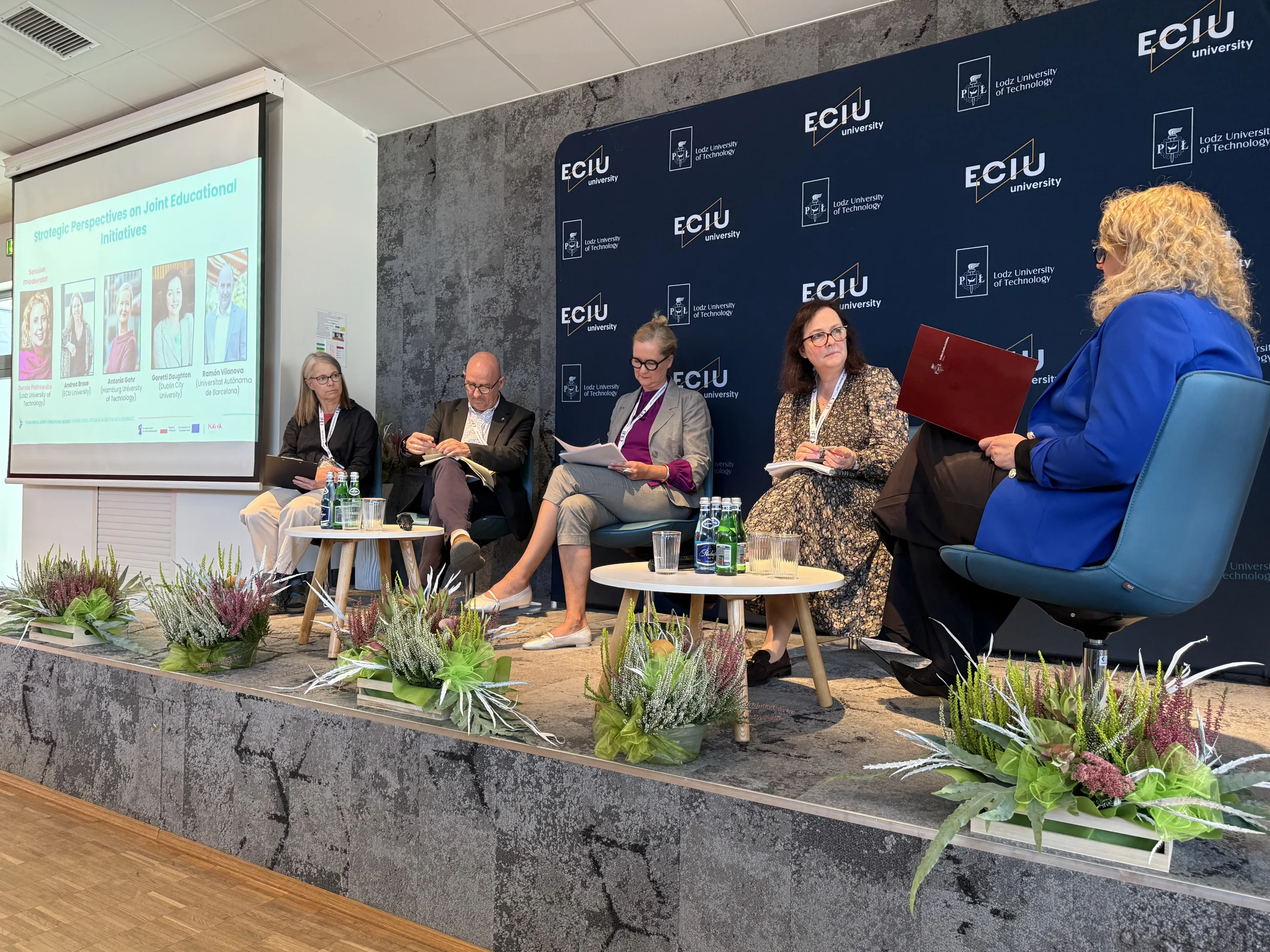
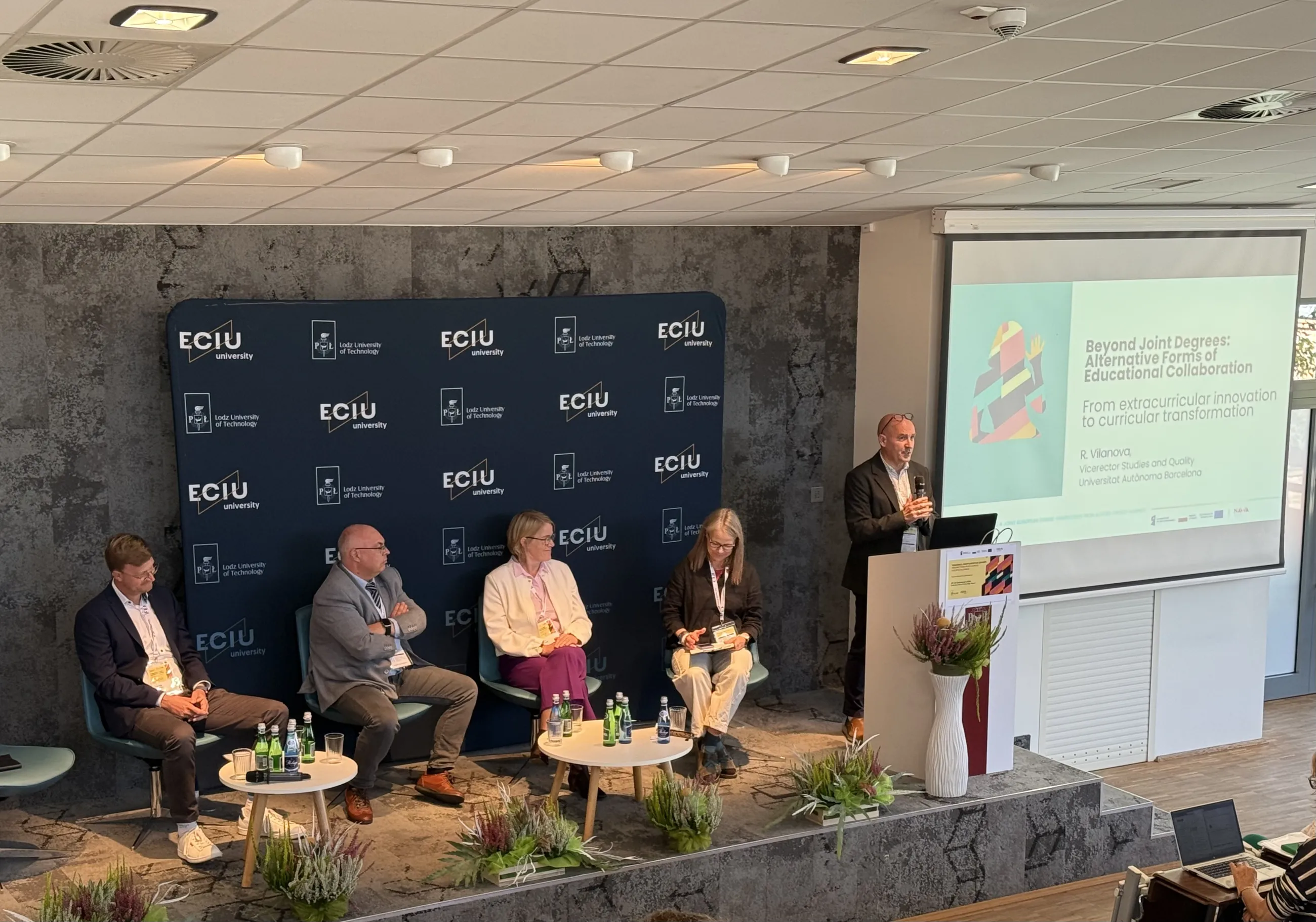
The subsequent conference sessions brought together strategic and practical perspectives. The “Strategic Perspectives on Joint Educational Initiatives” panel explored the role of joint educational initiatives within universities and the conditions supporting their development. “Joint and Double Degrees in Practice” offered insights from colleagues involved in coordinating programmes leading to joint degrees, while “Beyond Joint Degrees” broadened the discussion to flexible learning pathways and other forms of educational collaboration.
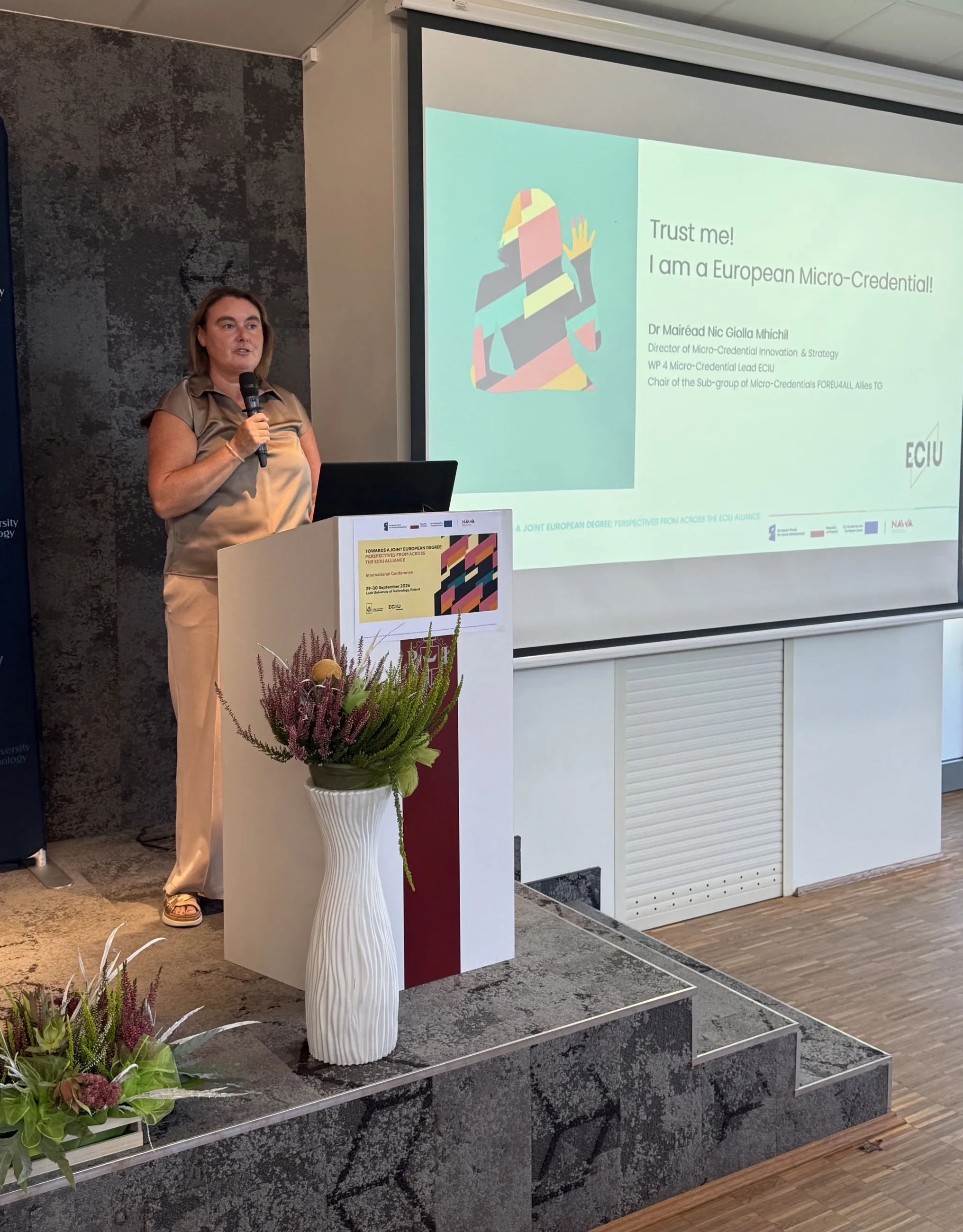
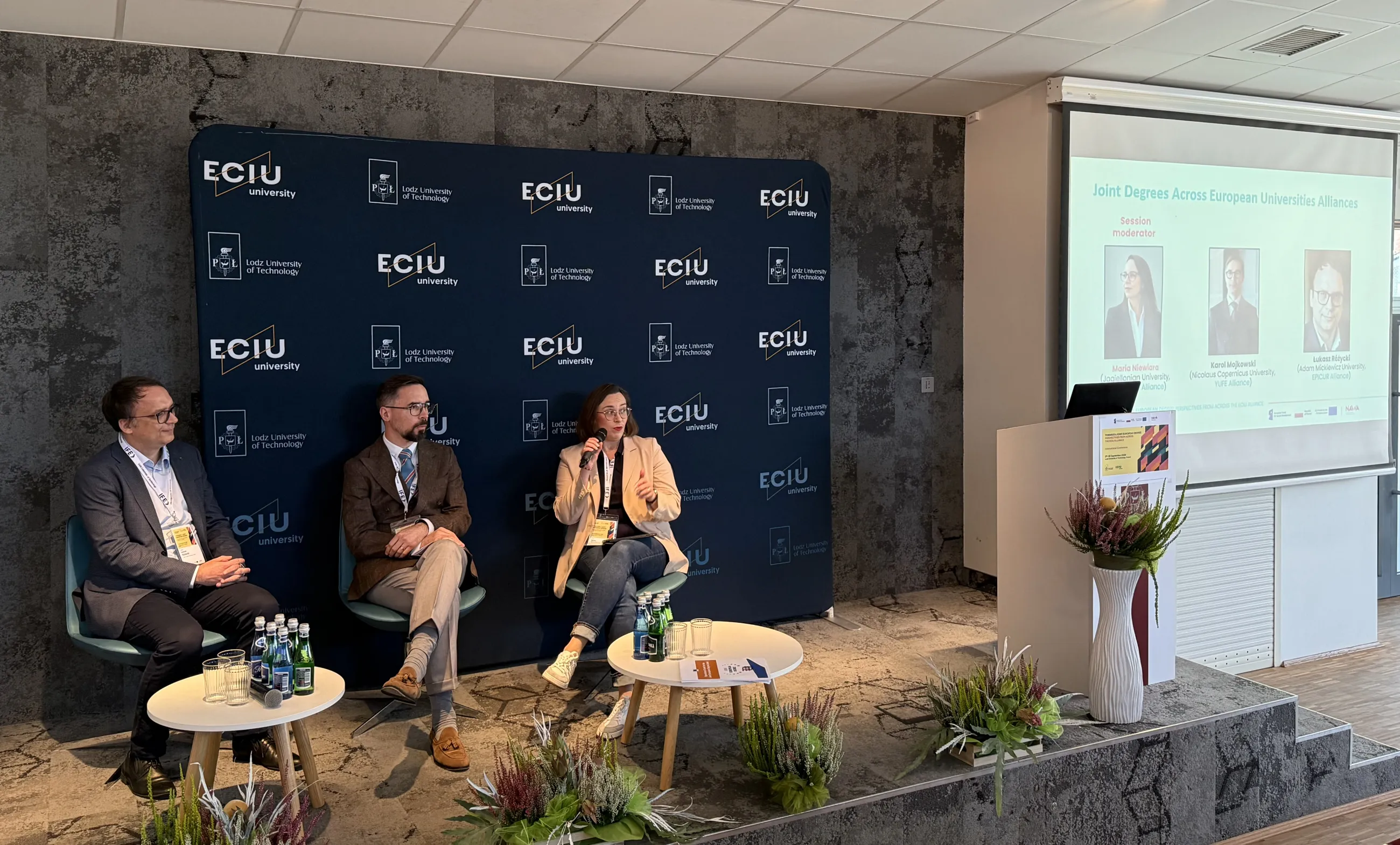
The second day focused on the concept of the European Label for micro-credentials, as well as the criteria and practical aspects of implementing the Joint European Degree Label. In the final panel, representatives of Polish universities belonging to the YUFE, Una Europa, and EPICUR alliances shared their consortiums’ experiences in developing joint degree programmes.
Once again, we would like to thank all participants, speakers, and moderators for their presence and contributions to the discussion on the future of joint education in Europe!
These activities were carried out under the European Universities Support Programme, financed from European Union funds as part of the project “Support for European Universities Alliances,” project number FERS.01.05-IP.08-0219/23.